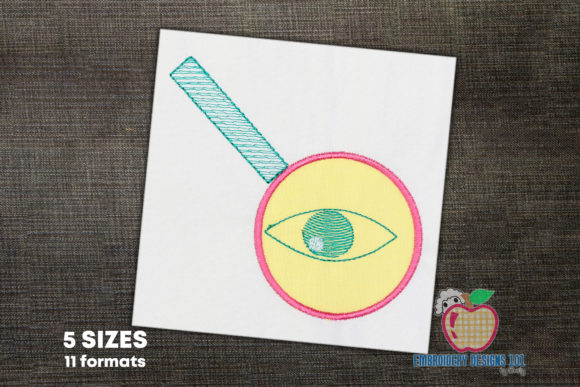
The Glass of the Research with Eye: A Designer’s Practical Take
As an embroidery designer and product reviewer, I’ve tested countless machine embroidery designs for their real-world usability. When I first laid eyes on The Glass of the Research with Eye, I was intrigued by its theme and structure. It's a design that carries an intellectual vibe, yet maintains enough visual interest to stand out in craft projects. Here's how it performed when I thought through using it on various items like custom apparel, tote bags, and even nursery decor.
First Impressions and Visual Personality
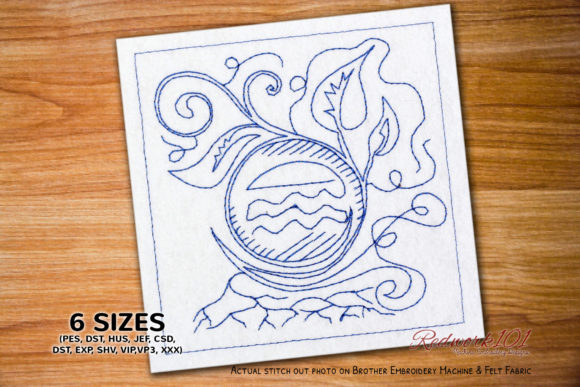
The Glass of the Research with Eye is a stylized applique design that combines clean lines with a bit of whimsy. The imagery suggests curiosity, observation, and perhaps a hint of scientific exploration. Its layout is well-balanced, with the eye positioned in a way that draws attention immediately. The detail level feels intentional — not overly complex but just intricate enough to add charm without overwhelming the fabric.
This kind of design naturally fits into educational-themed projects or boutique items aimed at parents, teachers, or creative professionals who appreciate subtle symbolism. While it doesn’t scream “holiday gift,” it could work beautifully as a personalized item for a baby’s first science-themed blanket or a unique embroidered patch for a university merch line.
Real-World Embroidery Use Cases
Let me walk you through a few practical scenarios where this design might find a home:
- Custom Apparel: On sweatshirts or t-shirts, the design can serve as a focal point. Its moderate size and shape make it suitable for placement on the chest area, especially if paired with minimal text or other complementary motifs.
- Tote Bag Design: I imagine it stitched onto a canvas tote bag for a school supply store or a teacher appreciation gift. The contrast between the glass-like elements and the fabric can really pop here.
- Baby Embroidery: For a modern nursery or educational-themed baby clothes, this design adds a touch of sophistication while still feeling playful and safe.
- Embroidered Patch: If converted to a patch, it could be a standout accessory for backpacks or denim jackets, particularly for students or educators looking for something meaningful yet understated.
- Nursery Decor: Stitched onto muslin or flannel, it could become part of a larger collection of embroidered wall art that tells a story about learning and discovery.
In each case, the mood of the design remains consistent — thoughtful, clever, and visually grounded. As an Etsy seller or small shop owner, I see potential in this design for creating branded merchandise or curated gift sets that speak to niche audiences.
Stitching Performance and Fabric Considerations
One of the key factors I look for in any machine embroidery design is how it behaves during stitching. The Glass of the Research with Eye uses a combination of satin stitch and fill stitch techniques, which are common in applique work. However, there are a few considerations:
- Hoop Size: Since the description mentions that steps are separated, I suspect this design may be split across multiple hoops. That’s a good thing for large formats but could require careful planning if used on smaller items like caps or patches.
- Fabric Texture: This design works best on medium-weight woven fabrics such as cotton, linen blends, or quilting cotton. Textured or stretchy materials might distort the fine details, especially around the eye and glass shapes.
- Thread Colors: The current color palette suits light-colored backgrounds, but it would be worth testing it on darker shades to see if the contrast holds up. For handmade products intended for resale, offering both light and dark variations could expand your customer base.
- Stabilizer Needs: Because of the likely use of satin stitches, a good stabilizer is essential. Without proper backing, the fabric can pucker or stretch under the tension of the embroidery head.
Where Caution Is Advised
While The Glass of the Research with Eye is versatile, there are certain applications where it should be used carefully:
- Small Hoop Sizes: If you're working within tight dimensions, some parts of the design may get lost in translation. Always check the minimum recommended hoop size before starting your project.
- Curved Surfaces: On hats or curved areas of garments, the design might need slight resizing or repositioning to maintain clarity and proportion.
- Dense Stitch Areas: Certain sections may have high stitch density, which could lead to stiffness or visible puckering if not properly stabilized.
- Frequent Washing: Designs with dense fills or delicate details can wear down over time. If you’re making a custom apparel piece for a child or everyday use, consider reinforcing with washable stabilizers or opting for simpler color schemes.
Design Impact on Product Value and Customer Perception
Using The Glass of the Research with Eye elevates the visual appeal of your embroidery project. It brings a sense of purpose and character to what might otherwise be a generic item. Customers are more likely to engage with a personalized gift that has a unique and thoughtful design, especially if it resonates with themes of knowledge or creativity.
Ideally suited for small business merchandise and craft fair products, this design helps build brand consistency when repeated across different items like aprons or pillow covers. It also enhances the professionalism of your finished product, showing that your designs are well-crafted and thoughtfully applied.
Practical Tips for Using The Glass of the Research with Eye
Here are some notes I’d give to fellow embroiderers before incorporating this design into a real project:
- Test First: Always run the design on scrap fabric to evaluate stitch behavior and fabric response. Especially if you plan to sell the final product, this step ensures quality control.
- Review Stitch Density: Dense areas may cause puckering or stiffness. Adjust settings or choose a lighter-weight thread option if needed.
- Check Thread Color Contrast: Make sure the chosen thread colors provide enough visibility against the background fabric. A black-and-white mockup can help determine this quickly.
- Inspect Small Details: The eye and glass elements are delicate. Ensure your machine is set to handle fine stitch transitions smoothly.
- Confirm Licensing: If you're selling finished items or digital design assets, double-check the licensing terms of the digital embroidery file to avoid legal issues later.
For those considering printable mockups or online previews, this design translates well visually. Its clear lines and defined elements make it ideal for showcasing in product listings or social media promotions. Just keep in mind that lighting can affect how the design appears in photos, so test it on both light and dark backgrounds for accurate representation.
Final Thoughts from the Design Bench
The Glass of the Research with Eye is a strong contender for anyone building a line of school-themed or intellectual-inspired embroidery designs. It brings a quiet confidence to your handmade product, one that appeals to thoughtful buyers who value meaning in their gifts and décor.
However, it’s important to approach this design with a practical mindset. While it looks great in concept, its success in execution depends heavily on fabric choice, hoop size, and stabilization. As someone who regularly tests embroidery files for clients and my own craft business, I recommend running through a checklist before production begins — especially if you’re aiming for commercial use.
If you're an Etsy seller or creative entrepreneur focused on personalized gifts and small shop products, this design can be a valuable addition to your portfolio. Just remember to tailor your presentation and ensure every stitch aligns with the vision you want to convey.