Teacher Teaching in Classroom Embroidery Review
First Impressions: A Bold and Dazzling Design
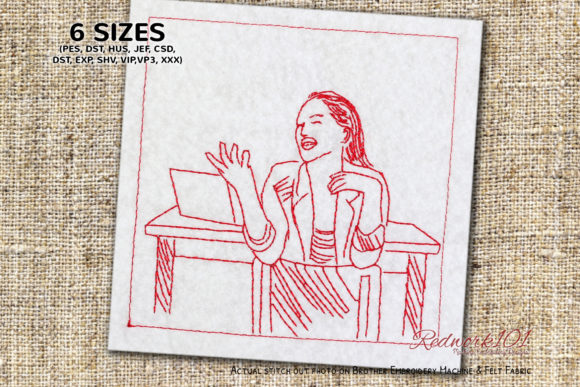
The Teacher Teaching in Classroom embroidery design makes an immediate, bold impression with its redwork aesthetic. Redwork is a classic favorite among craft fair shoppers because it’s eye-catching and timeless. This design feels confident and vibrant, which is perfect for creating products that draw attention on a crowded table or in an Etsy listing. It doesn’t scream “funny” or “minimal,” but rather offers a charming and slightly nostalgic vibe that resonates with school-themed handmade items. As an experienced embroidery designer, I can tell you that designs like this one are ideal for those who want to add a touch of personality and professionalism to their handmade product lineup. Whether it's stitched onto a tote bag or a tea towel, the machine embroidery design has the potential to elevate your craft fair product from ordinary to extraordinary.How Teacher Teaching in Classroom Performs on Different Products
Let’s walk through how this design might translate across various embroidery file applications.
Tote Bags and Market Bags
This design works exceptionally well on large-format tote bags and market bags. The teacher figure becomes a focal point, making these items stand out as thoughtful gifts for educators. Its red color really pops against white or cream cotton canvas, giving your small shop product a premium look. Just make sure to check the hoop size and spacing so the image isn't cramped or distorted.
Apron Embroidery
Stitching Teacher Teaching in Classroom onto aprons adds a unique, personal touch—especially if you're targeting teachers who love to cook or bake. The design fits nicely on the lower front panel or just above the pocket. Be mindful of stitch density in areas near seams or closures, as dense stitching could cause puckering or difficulty in handling.
Tea Towel Embroidery
The redwork style is particularly suited for kitchen textiles like tea towels. The design brings warmth and charm to any space, and it photographs beautifully for online listings. However, when working with textured or thick fabric, consider using a lighter stabilizer to avoid stiffness. Also, keep an eye on small details—like lettering or facial features—that may lose clarity if the hoop size is too tight or the fabric is too coarse.
Embroidered Patches and Caps
If you’re considering patches, the Teacher Teaching in Classroom design needs careful resizing. Tiny accents work best here, especially since caps have curved surfaces and limited real estate. For patches, test them on scrap fabric first to ensure they don’t distort when cut or heat-applied. If you go the cap route, use a patch hoop or a clear stabilizer to maintain shape during stitching.
Fabric Pouches and Pillow Covers
Fabric pouches offer a great middle ground—enough space for the design to shine without overwhelming the piece. On pillow covers, the design can be centered for a decorative effect, especially if paired with other educational motifs or monograms. These items also help showcase the stitch density and thread contrast, which are important for maintaining a high handmade quality appearance.
Handmade Gifts and Booth Samples
This design is gift-worthy by itself. Stitched onto a custom notebook or wooden box, it could become a standout item at your booth. As a sample, it demonstrates versatility and creativity, helping buyers imagine different uses. Just remember that the more premium the base product, the more value your customers will perceive in the finished design.
Visual Clarity and Readability
One thing I always look for in a digital embroidery file is how easy the design is to understand at a glance. Teacher Teaching in Classroom does this well—it's instantly recognizable and tells a story. That’s crucial for craft fair sellers who need their products to speak for themselves quickly.
Design Size and Placement
This design can function both as a large focal element and a smaller accent depending on the item. For instance, a large version on a tote bag grabs attention, while a smaller version on a keychain patch complements other items. You’ll want to test the design at different sizes to see where it looks most balanced and impactful.
Photography for Online Listings
As an Etsy seller, you know how vital good photography is. The red thread color stands out dramatically against light-colored backgrounds, making it a strong candidate for high-quality images. When using printable mockups, the design’s structure allows for clean, crisp visuals that reflect the final product accurately.
Batch Production Feasibility
Thanks to its single-color redwork format, this design is excellent for batch production. There’s no need to manage multiple thread colors, which streamlines the process. However, always confirm the commercial embroidery license before selling finished products in bulk. Some digital files require specific permissions for resale or commercial use.
Careful-Use Notes for Optimal Results
- Dense Stitch Areas: The teacher’s clothing or classroom elements may have high-density stitching. Use a tear-away or cut-away stabilizer to prevent distortion or puckering.
- Tiny Details: Facial expressions or writing on the board may be delicate. Test on a few samples to ensure they remain visible after washing or ironing.
- Small Lettering: Avoid shrinking the design too much, as it may reduce the legibility of any text included in the classroom scene.
- Thick or Textured Fabric: Choose a lightweight cotton or linen blend for best results. Thicker materials may require additional stabilizing or adjustments in stitch type.
- Dark Fabric: While redwork usually contrasts well, always test the design on darker bases to confirm visibility. You may need to adjust the hoop position or thread tension.
- Curved Surfaces: For caps or curved pouches, use a specialized tool or technique to flatten the area and prevent misalignment during stitching.
Designer Tips for Success
- Test on Scrap Fabric: Before mass-producing, stitch the design onto a few scraps to assess how it behaves on your chosen material.
- Check Thread Contrast: Make sure the red thread is bright and consistent. Poorly dyed threads can dull the overall impact of the design.
- Review Spacing and Alignment: Ensure there’s enough margin around the design to avoid trimming issues or misplacement on the final product.
- Confirm Hoop Size: If the design requires a larger hoop than your standard setup, plan accordingly to maintain even tension and accuracy.
- Inspect Stitch Density: Especially in detailed areas, adjust settings if necessary to avoid over-stitching or under-stitching.
- Use the Right Stabilizer: Depending on the fabric texture, choose a stabilizer that supports the design without leaving residue or warping the surface.
- Create a Real Mockup: A tangible example helps you refine your presentation and gives potential buyers a clear idea of what they’re purchasing.
- Compare Fabric Colors: Try the design on a few different tones to see which ones enhance the redwork theme and align with your brand aesthetics.
- Confirm Commercial Licensing: Always double-check the terms of the digital embroidery file to ensure it allows for resale and commercial use in your intended quantities.
Why This Design Adds Value to Your Craft Fair Booth
The Teacher Teaching in Classroom embroidery design not only appeals to educators but also taps into the growing appreciation for personalized and meaningful gifts. In a world of mass-produced items, a hand-stitched, redwork-style design communicates care and craftsmanship—key qualities that differentiate handmade products from store-bought alternatives.
From a branding perspective, this design reinforces a school-themed collection well. It can be part of a broader line of back-to-school, teacher appreciation, or academic-inspired items. When displayed alongside similar designs, it contributes to a cohesive and visually appealing booth display.
Customer engagement is another win. People tend to linger at booths with storytelling designs, and Teacher Teaching in Classroom invites conversation about memories of school, favorite teachers, or even career paths. That kind of connection increases the chances of a sale—and word-of-mouth promotion.
Final Thoughts for Creative Entrepreneurs
In conclusion, the Teacher Teaching in Classroom embroidery design is a versatile and visually striking option for anyone looking to expand their craft fair product range. Its redwork style ensures it stands out, while its subject matter opens up opportunities for emotional appeal and niche marketing.
For embroidery business owners and handmade shop owners, this design is a solid choice for tote bags, aprons, and tea towels. For Cricut users and digital sellers, it pairs well with printable mockups and can serve as a ready-to-go design asset in your next themed collection.
Remember to always test, adapt, and stay within licensing guidelines. With the right approach, this design can become a staple in your school-themed embroidery offerings and a highlight of your weekend sales at the craft fair.