★★★★☆4.6(323 reviews)
Stationery Tools Design Review for Business Merch
First Impressions of Stationery Tools Design
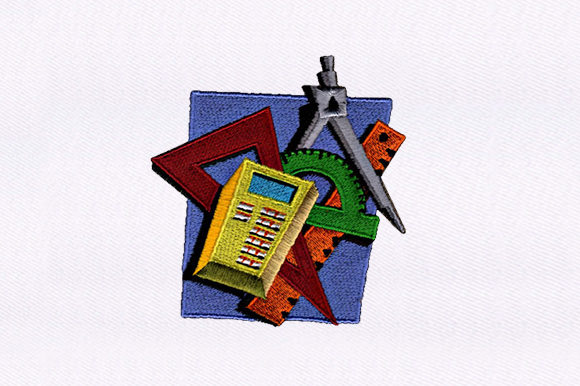
As an experienced embroidery designer, the first thing that stands out about Stationery Tools Design is its professional and modern aesthetic. The name alone suggests a blend of creativity and utility—perfect for small business owners who want their branding to reflect both quality and approachability. While the product description doesn’t specify stitch count or exact dimensions, the inclusion of multiple embroidery file formats like 10O, ART, CND, DSB, DST, DSZ, EXP, HUS, JEF, PEC, PES, TAP, VIP, VP3, and XXX shows that it’s designed for compatibility across various machines, which is a huge plus for commercial use.Real-World Applications for Small Businesses
Stationery Tools Design has a strong potential for use in several key areas of branded merchandise. For instance:
- Embroidered Patches: It works well as a patch for custom jackets, denim aprons, or promotional gear. Its structured elements lend themselves to clear, bold stitching.
- Staff Uniforms: A chest logo or sleeve detail using this design can elevate the look of work shirts without being too flashy. It conveys professionalism with a hint of personality.
- Apron Embroidery: Perfect for cafés, bakeries, or craft boutiques. Adding it to the pocket or waistband area gives a polished finish that aligns with brand identity.
- Cap Embroidery: If used sparingly, the design can be embroidered on the front or side panel of caps, especially for school-themed or educational businesses.
- Tote Bag Design: As a mark on a cotton tote bag, it adds a decorative yet functional element—ideal for eco-friendly brands or local shops offering customer gifts.
- Product Packaging Accents: When applied to reusable packaging or branded containers, it reinforces a premium, handmade feel that customers notice and appreciate.
- Boutique Merchandise: Use it on hats, bags, or canvas items to maintain visual consistency across all branded materials.
- Event Merch: Incorporate it into event-specific items like lanyards, badges, or gift bags for a cohesive theme.
- Etsy Branding: Handmade sellers can subtly integrate the design into tags, labels, or fabric markers to enhance product value and buyer engagement.
Where to Use with Caution
While Stationery Tools Design is versatile, there are certain applications where extra care is needed:- Small Patch Sizes: If you plan to use it as a tiny patch, make sure the details remain legible. Complex elements might get lost at smaller scales.
- Cap Fronts: Due to limited space, only the most essential part of the design should be used here. Consider simplifying or isolating one icon.
- Curved Surfaces: Be mindful of how the design adapts to round shapes. You may need to adjust placement or orientation for optimal results.
- Tiny Lettering: If the design includes text, ensure it’s large enough to be stitched clearly without distorting the message.
- High Stitch Density: Some parts of the design may require more thread coverage than others. Test these sections to avoid puckering or distortion.
- Detailed Outlines: Fine lines and intricate shapes might not translate well depending on the machine and thread thickness. Simplify if necessary.
- Textured Fabric: The design may appear uneven when stitched onto rough or stretchy fabrics. Smooth cotton or polyester blends tend to yield better results.
- Dark Uniforms: Thread color contrast is crucial. White or light-colored threads may not stand out effectively against dark backgrounds unless the design is high-contrast by nature.
- Frequent Washing: Items like aprons or tote bags will endure repeated cleaning. Choose durable thread types and test for colorfastness and structural integrity.
Impact on Brand Identity and Customer Perception
Using Stationery Tools Design in your small business merch can significantly influence how your brand is perceived. The design’s clean and organized structure communicates attention to detail—a trait highly valued in creative and educational industries. It also supports a consistent visual identity across all design assets, from custom apparel to handmade products. When applied to commercial embroidery projects, the design enhances product value by adding a tactile and visual element that feels intentional. Customers often associate embroidered logos with quality and authenticity, making this design a great fit for brand recognition efforts. It’s particularly effective for businesses aiming to present a modern, artisanal, or school-related image.Practical Embroidery Designer Notes
- Test in Black and White First: Confirm how the design looks in monochrome to assess clarity and contrast before finalizing thread colors.
- Check Small Patch Size Performance: Resize the digital embroidery file to match intended patch dimensions and evaluate readability.
- Review Thread Color Contrast: Especially for dark fabrics, choose thread colors that pop and maintain legibility without overwhelming the piece.
- Inspect Spacing and Layout: Ensure no overlapping stitches or tight spacing issues exist that could cause breakage or misalignment.
- Confirm Hoop Size: Since hoop size isn't specified, always verify whether the design fits within your standard hoops to prevent shifting during stitching.
- Test on Real Fabric: Don’t rely solely on printable mockups. Try stitching on actual material to see how it behaves with different textures and weights.
- Use Proper Stabilizer: Depending on fabric type, select the right stabilizer (cutaway, washaway, or tearaway) to support stitch density and prevent puckering.
- Create a Mockup for Client Approval: Show clients how the design will look on their chosen item before full-scale production begins.
- Compare Beside Other Assets: Make sure the design complements existing logos or graphics for a unified brand presentation.
- Confirm Commercial Licensing: Always check licensing terms before using the machine embroidery design in bulk production or public-facing projects.
Design Versatility and Business Value
One of the standout qualities of Stationery Tools Design is its adaptability. It can serve as a primary logo or a supporting graphic, depending on the application. For example, on a tote bag, it might be the main attraction; on a uniform, it could function as a secondary accent reinforcing brand values. Its connection to the School category hints at an academic or learning-based motif, but it can easily be reimagined for broader use. Think of it as a symbol of organization, creativity, and hands-on craftsmanship—qualities that resonate well with boutique owners, educators, and lifestyle brands alike.Final Thoughts for Embroidery Shops and Merch Creators
If you're considering Stationery Tools Design for your next project, keep in mind that it’s more than just an embroidery file—it’s a strategic asset for building brand identity. From cap embroidery to apron designs, this design brings a sense of purpose and polish that elevates any branded patch or custom apparel item. However, don’t rush into production without testing. Every machine embroidery design has unique requirements, and understanding those nuances ensures the best outcome for your finished product. With the right preparation and thoughtful placement, Stationery Tools Design can become a staple in your portfolio of small business merch solutions.
⬇️ Download Free
Free download · No sign-up required
🔗 You Might Also Like

School
First Impressions of School is Fun As an experienced embroidery designer, the fi...
School
First Impressions of the Letters Fruiting Tree Design The Letters Fruiting Tree ...

School
As an experienced embroidery designer, I always look for machine embroidery desi...
School
As an experienced embroidery designer, I often find myself evaluating new machin...
School
As an experienced embroidery designer, I’ve had my fair share of evaluating mach...
